Understanding the Offshore Oil and Gas Sector

Offshore oil and gas operations are critical components of the global energy infrastructure. These activities involve exploration, development, and extraction of hydrocarbon resources from beneath the ocean floor. While these resources play an essential role in meeting the world's energy demands, they also raise ecological concerns that require careful management and regulation.
The Environmental Impacts of Offshore Drilling
Offshore drilling operations can potentially affect marine ecosystems through occurrences such as oil spills, seabed disturbance, and the disposal of drilling by-products. The health of marine life, water quality, and coastal communities can all be compromised if these impacts are not mitigated effectively. Acknowledging these challenges, industry stakeholders and environmental organizations are working towards more sustainable practices.
Advancements in Sustainable Offshore Operations
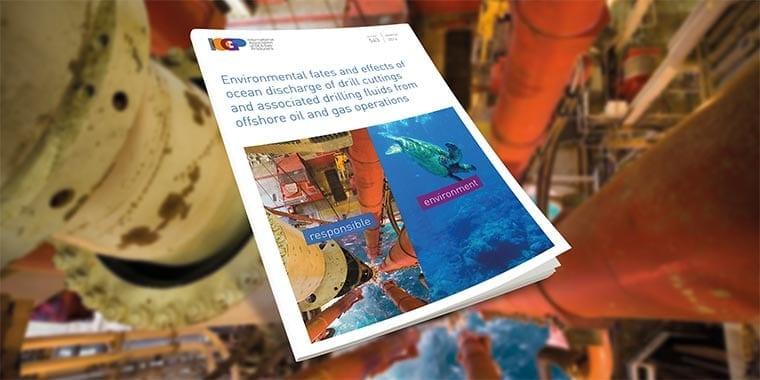
Technological advancements and improved regulatory frameworks are helping to minimize the environmental footprint of offshore drilling. Innovations such as remote monitoring, safer drilling techniques, and spill prevention mechanisms are setting new standards for environmental responsibility in the sector.
Forum Discussions & Knowledge Sharing
Forums like the Offshore Oil and Gas Environment Forum facilitate dialogue between industry experts, environmental advocates, and policymakers. These platforms serve as hubs for knowledge exchange and collaborative problem-solving geared towards sustainability in the offshore oil and gas industry.
The Role of Environmental Impact Assessments (EIAs)
Conducting EIAs is a fundamental part of planning and operating offshore oil and gas projects. These assessments help identify potential environmental risks and formulate strategies to mitigate their impact, ensuring that the operations comply with the highest environmental standards.
Natural Resource Sustainable Development
Natural Resource Sustainable Development (NRSD) initiatives focus on balancing resource extraction with ecological protection. The principles of NRSD are crucial for guiding offshore industry practices towards a future where economic development and environmental conservation can coexist harmoniously.
The Ongoing Quest for Equilibrium
The relationship between offshore oil and gas exploitation and environmental stewardship continues to evolve. As our understanding of marine ecosystems deepens, so does our ability to implement more resilient and adaptive management approaches that protect both our natural heritage and energy security.
Traveling Responsibly in the Offshore Exploration Era
In an era defined by the search for balance between industrial growth and ecological integrity, the concept of responsible travel takes on a new dimension. Exploring the world's oceans and coastlines offers a unique opportunity to witness the impact of offshore operations firsthand. Responsible travelers can contribute to environmental conservation efforts by supporting eco-friendly tours, participating in beach clean-ups, and choosing destinations that prioritize sustainable practices. Travel can thus become a powerful tool for raising awareness about the importance of safeguarding our planet's precious marine environments, even in regions rich with fossil fuel resources.