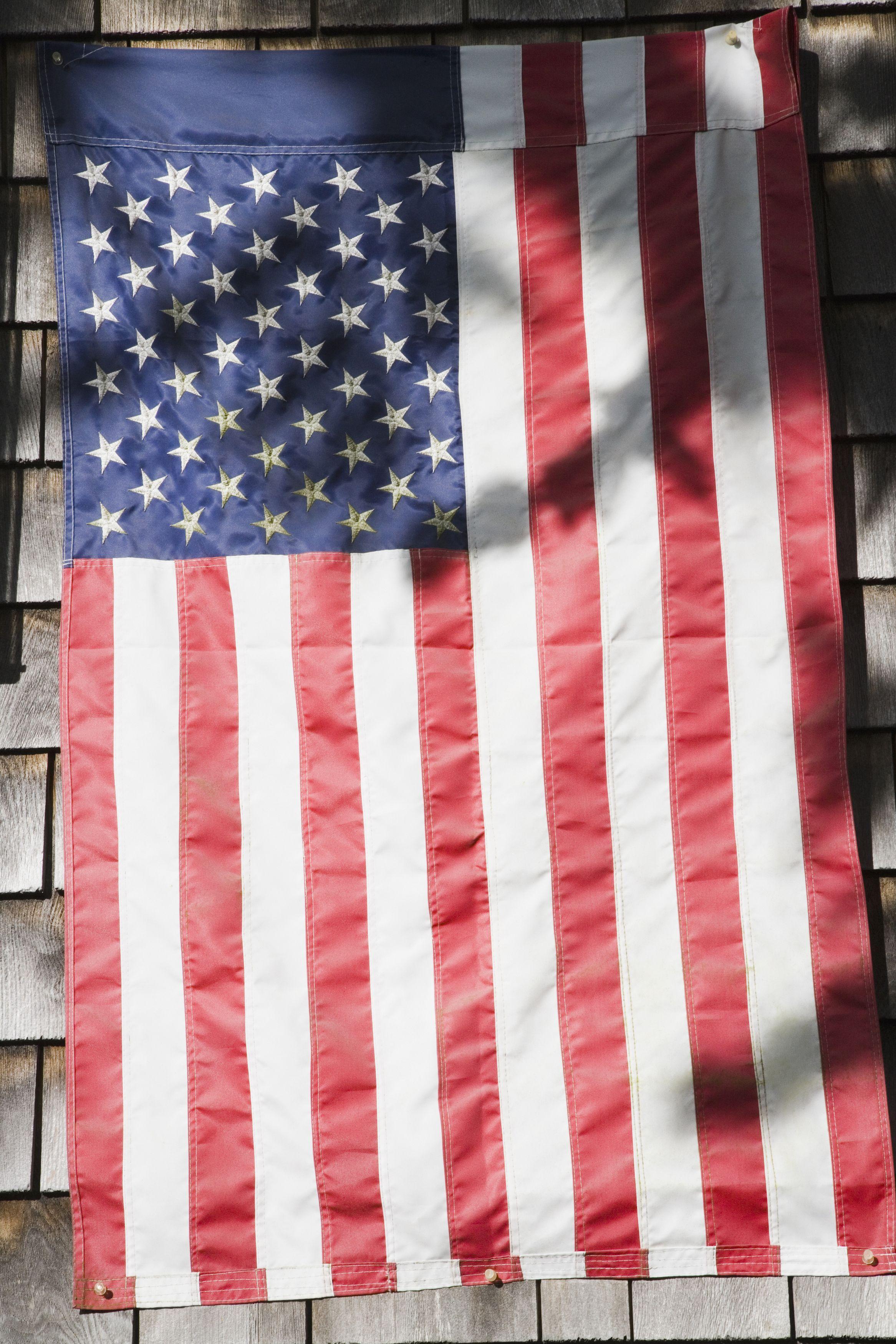
The revered Stars and Stripes hold a significant place in the heart and history of the United States. It took nearly 150 years from the birth of the flag in 1777 for a formal set of guidelines to be established, ensuring its respectful treatment. This article outlines the codified traditions for the flag's display and use, reflecting the country's long-standing values and patriotism.
When to Display the Flag
The flag should be displayed on all days, notably during legal holidays and special occasions. Official buildings, polling places during elections, and schools during session are customary locations for the flag to be flown. While the general practice dictates that the flag be displayed from sunrise to sunset, certain locations such as the White House and Fort McHenry National Monument buck this trend, showcasing the flag day and night.
How to Fly the Flag
The flag's display is governed by protocol emphasizing respect and dignity. Hoisting briskly and lowering ceremoniously, ensuring the flag never touches the ground, and proper positioning when displayed with other flags are all integral to proper flag etiquette.
Church and Platform Use
In settings of religion and speech, the flag commands a position of prominence, accurately reflecting its esteemed status. The flag should never be obstructed or draped, but rather allowed to fall freely, demonstrating the freedom it symbolizes.
How to Dispose of Worn Flags

When the flag reaches a condition unfit for display, its retirement should be carried out with solemn respect, typically through a ceremonial burning.
When to Salute the Flag
The flag warrants a salute during parades, hoisting and lowering ceremonies, the playing of the National Anthem, and the recitation of the Pledge of Allegiance. This gesture of respect is a moment for all present to reflect on their connection to the nation and its enduring principles.
Prohibited Uses of the Flag
Flag etiquette outlines several improper uses to sidestep. These include using the flag for advertising, as clothing, or any form of disrespect. Such practices are not just frowned upon but were also subject to legal ramifications, though Supreme Court rulings have since protected such acts under freedom of speech.
History of the U.S. Flag – Early Flags
The journey of the American flag is steeped in lore and debate, from the Grand Union flag deemed its precursor to the myriad of revolutionary banners that inspired unity and defiance. The symbolism sewn into the fabric of each iteration of the flag tells a rich story of the nation's tenacity and evolution.
Who Designed the Flag?

The exact origins of the flag's design remain a matter of historical ambiguity, though figures such as Francis Hopkinson have laid claim to its inception. The truth may be as layered and complex as the flag's very stripes.
Who Called the Flag Old Glory?
The term "Old Glory" was lovingly coined by William Driver, a sea captain, perhaps capturing the deep-seated emotional connection and pride that Americans hold for their flag.
The Betsy Ross Legend
Despite the popular tale of Betsy Ross crafting the first flag at the behest of founding fathers, evidence for such an event has proven elusive. The legend, however, endures as a piece of American folklore, illustrating the fabric of myth interwoven with historical fact.
Traveling with Respect for the Flag
For the U.S. citizen traveling domestically or abroad, understanding and adhering to the flag code is a way to carry a piece of home with them, honoring their nation and its values wherever they go. Just as the flag is a universal symbol of American identity, a traveler can take pride in representing that same respectful patriotism, unfurling the principles of freedom and respect across any border. From majestic embassies overseas to the courageous vessels at sea, the Stars and Stripes continue to be a beacon of the enduring spirit and unity of the United States.
Durham
Perth
Las Vegas
Peschiera del Garda
Newcastle upon Tyne
Egham
Zaandam
Agadir
Morro Jable (Fuerteventura)
Amsterdam
Tokyo
- Mitsui Garden Hotel Jingugaien Tokyo Premier
- Where To Stay In Tokyo
- Best Family Hotels Tokyo
- Tokyo Apartment Hotel
Leeds (West Yorkshire)
Cairns
Hammamet
Ixia (Rhodes)
Chester
Elounda (Crete)
Albufeira
Punta Cana
Arlington
Dubai
- The Lana Dubai
- Ja Beach Hotel
- Dubai Accommodation Deals
- Family Hotels Dubai
- Aparthotels Dubai
- Bed And Breakfast Dubai
- Luxury Escape Dubai
- Dubai All Inclusive Resorts For Families
Aberystwyth
Playa Blanca (Lanzarote)
Melbourne
Paris
Son Bou
Marrakesh
Godalming
Puerto Morelos
Quebec City
Denver
Barcelona
- H10 Universitat
- Barcelona Package Deals
- Family Friendly Hotels Barcelona
- Apart Hotel Barcelona
- Luxury Villas In Barcelona
Halifax
Inglewood
Anaheim
Colorado Springs
Mount Gambier
Camp Sherman
Funchal (Madeira)
Belek
Dorval
Miami Beach
Bowness-on-Windermere
Carle Place
Gainesville
Athens
Prague
Brighton
Berlin
Playa del Ingles (Gran Canaria)
Madrid
Venice
London
Manchester
Rio de Janeiro
Singapore
Toronto
- Toronto Room For Rent
- Pet Friendly Hotels Downtown Toronto
- Family Hotels In Toronto
- Apartment Hotels In Toronto